Powering Tides:
BC as a global marine renewable energy test bed
How BC and Canada are making advances in marine renewables and
energy systems using tides, waves, wind, and hybrid power.
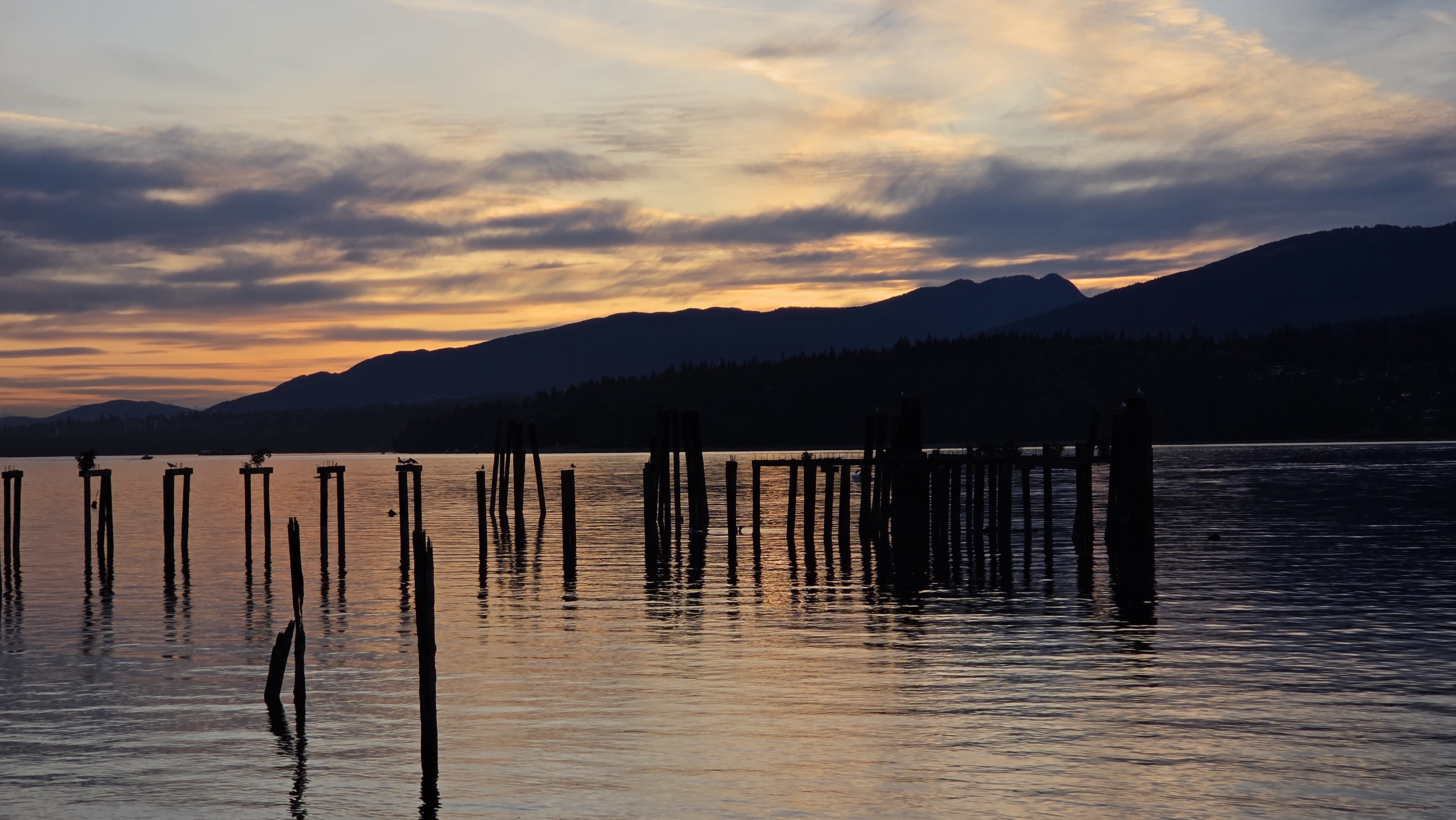
The second major talk I attended was a conversation regarding major advacements in the space of marine renewables with an emphasis on recent implementations of tidal energy in BC, and adoption of clean marine renewables in the broader Canada. The panel was moderated by Jason Goldsworthy, Executive Director of COAST, accompanied by Nathan Ward, Riley Richardson, and Bryan Buggey. Three different perspectives from people tackling from different fronts the issues of better clean energy production and better use of energy.
The panel kicked off with a question regarding technological advancements that could emerge in the coming years and address modern clean energy issues. The three speakers agreed that the best next development in the tidal energy space is one that could integrate with solar and wind energy as well.
Disruptors have an unfortunate reputation that precedes them. They often go to uncharted territories for the industries they are innovating in, but more often than not, do so disregarding existing processes, frameworks, policy, and other forms of bureaucracy. It's comforting to know that this naive entrepreneurial mindset has given way to a more mature approach to modernization.
These emerging tidal energy initiatives seek to build upon existing storage infrastructure, energy distribution systems, as well as other energy sources to compliment our current systems and reduce any friction during implementation. Such is the case of Mostar Lab's Lilypad, a modular energy platform that gathers and stores energy from the sea which can be used to provide electricity to vessels, scale marine infrastructure, and so much more. Although the Lilypad hasn't been released at the time of this post's publication, the project is nevertheless ambitious and a potential step in tidal energy utilization.
An interesting conversation came up when talking about how much the world has shifted towards clean energy solutions in the last couple of years. The recent Strait of Hormuz Crisis has had the unintended consequence of pushing countries around the world towards energy independence to reduce any supply-chain vulnerabilities and become more independent of petrol-based energy infrastructure. Because of this, many nations are pushing internally for alternative "home-grown" energy sources, be it solar, wind, tidal or even nuclear.
Coincidentally, green tech has been getting cheaper as well, making conversations about its integration and adoption show up in the business side of the energy space as well. It's not often that businesses and governments can have the luxury of minimizing supply risks while saving money at the same time, but for a lot of entities footing the bill for new cleantech projects it's looking more like a worthwhile investment in the future with each passing day.
Concluding the talk, the three were asked about their thoughts regarding what is needed in terms of resources for state-of-the-art cleantech to get to market. British Columbia is a goldmine in terms of resources, academic talent, and accomplished professionals that, given the infrastructure and financial support are able to create revolutionary ideas and fantastic projects in any sector. Industries are starting to catch on and lean in incrementally, providing opportunities to those talented individuals to pave the way for the future.
In the world of clean marine tech, as Bryan put it, this support must come in the form of policy that helps incentivize investors and industries to fund ambitious cleantech projects. Money devoted not just to the companies working on the tech itself, but also on urban planning and energy integration planning that can reduce risk, friction of adoption, as well as unnecessary infrastructure complexity.